


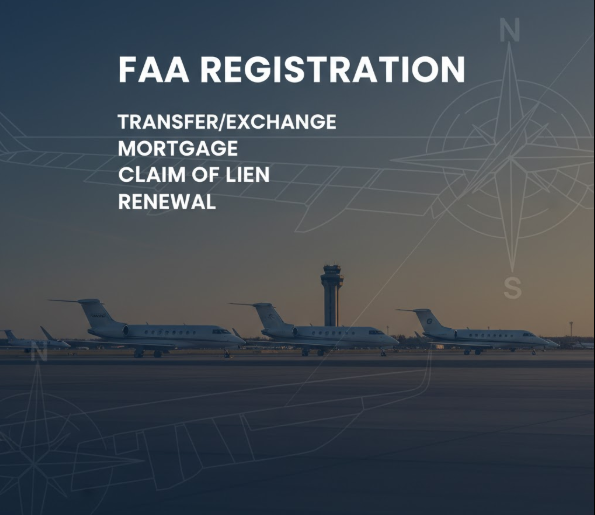
As air travel surged during one of the busiest travel periods ever, the importance of FAA registrations came sharply into focus for both frequent flyers and aircraft owners. At the Federal Aviation Administration (FAA), this spike in travel underscored how critical accurate registration, record-keeping, and compliance really are.
A Historic Surge in Air Travel
The FAA recently announced that the Thanksgiving holiday period would be the busiest travel stretch in 15 years, with over 360,000 flights scheduled nationwide.
News from the post-holiday travel weekend confirmed record-setting numbers: over 3.13 million passengers were screened by the Transportation Security Administration (TSA) on a single day. This was the highest volume ever recorded in U.S. history.
For passengers, that meant crowded terminals, busy check-in counters, and heavy airline demand. For airplane owners, operators and lenders, the sheer volume of flights and aircraft in use highlighted why registration accuracy and proper documentation matter more than ever.
What This Means for Aircraft Owners and Operators
When thousands of flights take off or land in a short period, the regulatory framework underpinning each aircraft becomes critical. That includes having:
- A valid Certificate of Aircraft Registration.
- Properly recorded ownership, via bill of sale or other documentation (especially after any sale, lease, or transfer).
- Up-to-date owner mailing address, especially after any relocation or change — as required under § 47.45 of 14 C.F.R.
- Accurate records when aircraft serve as collateral for financing (aircraft mortgage, lien, lease) — recorded with the FAA registry.
Because flights during peak travel periods tend to be concentrated, any lapse in registration compliance may cause delays or even jeopardize legal operation status during high-traffic times. That is especially true for aircraft engaged in commercial operations or charters — where compliance scrutiny tends to be heightened.
Five Key Insights from the Surge
Increased passenger numbers drive greater scrutiny of aircraft records and FAA registrations
- With record-breaking TSA passenger screenings and FAA-projected flight volume, airlines and charter operators likely saw heavy pressure on maintenance, scheduling, and compliance functions.
- This surge underlines the importance of having updated, FAA-compliant registrations — which ensures quick clearance at every stage, including security, ground operation, and air traffic control.
- For owners engaging in an aircraft mortgage or financing arrangements, having a properly documented aircraft abstract of title and lien filings ensures claims remain valid even during busy traffic surges.
Proper FAA registrations reduces risk during “plane exchange of ownership”
- Any sale or transfer — a plane exchange of ownership — must be accompanied by a legitimate bill of sale and timely update to the registry.
- If a new buyer fails to update the registration, or a seller neglects to return the original registration certificate, regulatory complications could arise — issues that become magnified when traffic is dense.
- In financing situations such as aircraft mortgage, lenders rely on accurate registration data and properly recorded security interests to protect their collateral.
Address accuracy (for owner contact) remains legally required
- Under § 47.45, aircraft owners must notify the FAA within 30 days of any change in mailing address.
- If not updated, the registry may maintain outdated contact information, which can lead to misdirected correspondence — or missed notifications regarding FAA registration renewal, compliance, or safety issues.
- For operators working with multiple base locations, or those relocating, this regulation ensures the registry stays current — minimizing risk of compliance violations during unexpected checks.
Airworthiness and registration status are distinct — but FAA registrations enable lawful operation
- A certificate of airworthiness attests that an aircraft meets safety standards for flight.
- However, airworthiness alone isn’t enough; the aircraft must also be properly registered under U.S. registry regulations, per Part 47.
- If a registered aircraft loses its registration status (due to sale, improper transfer, or missing updates), its airworthiness certificate may become ineffective — particularly during lease, charter, or financing arrangements.
Record-keeping and registry filing become more critical as travel surges put pressure on all aspects of aviation operations
- During peak travel, ground operations, maintenance, air traffic flow and administrative tasks all ramp up — increasing the risk of oversight. Having complete, accurate FAA registrations, aircraft abstracts of title, and documented interest filings (mortgages or liens) helps ensure that transactions and operations remain valid under pressure.
- For companies offering assistance with vessel documentation and placards, or for aviation clients navigating aircraft sales or financing — this is the moment when thorough registry compliance pays off.
How Our Service Helps with FAA Registrations and Documentation Compliance
We at the National Aviation Center are committed to helping aircraft owners, buyers, sellers, and lenders navigate the complexities of FAA registration and compliance. With the surge in travel and activity across U.S. skies, our services ensure smooth transitions, accurate registry filings, and peace of mind.
We assist with:
- Preparation and submission of registration paperwork under 14 C.F.R. Part 47 — ensuring that ownership, citizenship eligibility, and aircraft documentation meet all regulatory requirements.
- Filing change of address notifications, so that owner records remain up-to-date and compliant under § 47.45.
- Recording aircraft mortgages, liens, or leases — with full documentation of security interests and chain-of-ownership.
- Facilitating plane exchange of ownership through proper bill of sale submission and registry updates — minimizing legal risk and ensuring aircraft remain flight-eligible.
- Providing aircraft abstracts of title or lien searches — helping buyers, lenders or sellers verify clear title and registration status before sale or financing.
Our experience ensures that even during the busiest periods in U.S. aviation history, your aircraft’s legal and registration status remains secure — so you can fly, sell, or finance with confidence.
What This Surge Signals for the Future of Air Travel and Registration Services
Whether you’re a private owner, charter operator, or lender, the recent travel surge shows how quickly demand can rise — and how critical it is to have your paperwork in order before the pressure builds. In high-traffic periods, delays or oversights can compound fast.
Maintaining accurate FAA registrations — and handling any changes promptly — isn’t just good practice. It’s a regulatory necessity that protects you, your aircraft, and your financial interests.
For those who need help navigating sales, transfers, mortgages, or compliance filings, our team stands ready to guide you every step of the way.